About Valeriy Shvetsov
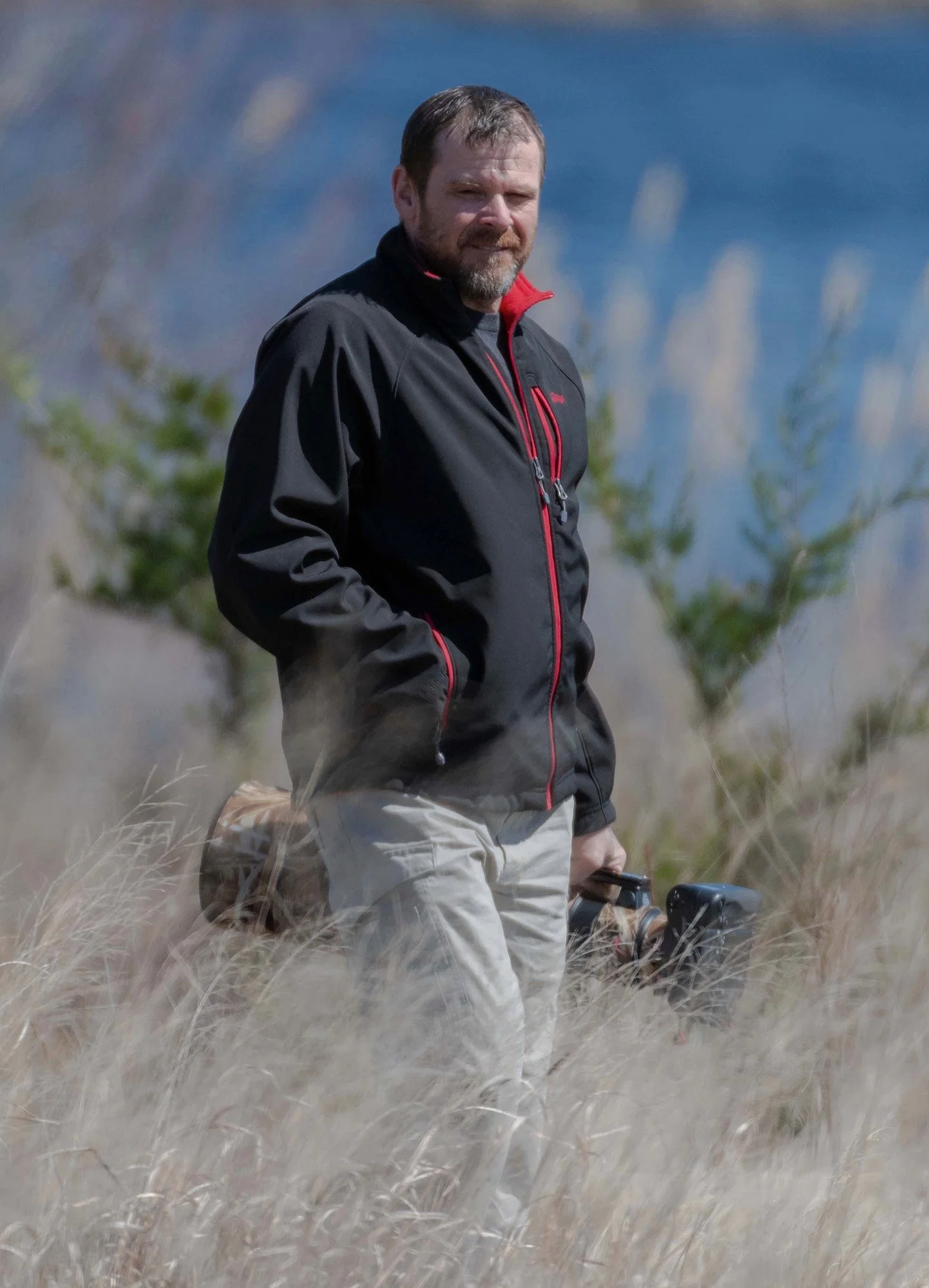
Valerio Fine Art Photography is the work of Valeriy Shvetsov, known artistically as Valerio, a fine art photographer based in Brooklyn, New York. Inspired by nature, memory, and the personal meaning of places, his work includes Prospect Park landscapes, wildlife, birds, botanical studies, and abstract nature photography.
I first picked up a camera at the age of twelve. It was an old Russian Smena film camera, traded for a soccer ball, and it taught me patience before it taught me technique. I learned to move slowly, to notice light, and to respect what was already there—especially in winter, when snow asks you not to disturb what is complete.
Life eventually pulled me in other directions. Over the years, responsibility, work, and circumstance took priority, and photography became something I carried quietly rather than practiced openly. After a period marked by personal loss, uncertainty, and change, I found myself needing to slow down and reconnect—with nature, with attention, and with myself.
That return began simply, a walk through Prospect Park on a snowy day, a camera in hand, and no expectations. What followed was not a solution, but a shift—a return to seeing.
Valerio Fine Art Photography is rooted in that way of seeing—slow, attentive, and grounded in nature, memory, and place. The work explores wildlife, landscape, stillness, and the personal connection people have with places that become part of their lives.
In addition to creating fine art collections, Valerio works with clients to preserve meaningful locations through custom photographic commissions—transforming favorite landscapes, family homes, gardens, waterfronts, and personal places into custom fine art photographs created to be lived with and remembered. This work is approached as fine art, intended for reflection and quiet presence.
The photographs explore awareness without urgency, motion that leads to stillness, and the emotional space that opens when we allow ourselves to look more carefully.
Fine art prints can be explored through Valerio’s linked Fine Art America collections, and custom photographic commissions can be requested through this website. Each photograph is created with the intention of bringing a meaningful connection to nature, memory, and place into the spaces where people live and work.
Based in Brooklyn, New York, Valerio Fine Art Photography continues to evolve through time spent outdoors, walking, observing, and returning—again and again—to what feels essential.
Because sometimes the places that shape us deserve more than a memory.
They deserve a place on the wall.